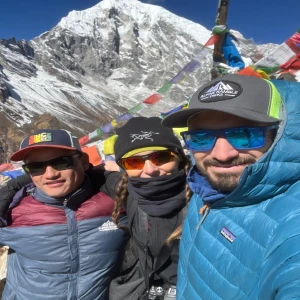
Best Time to Trek Langtang Valley
There are four seasons in total, and as per the trekking standards in Nepal, spring and autumn are considered to be the best time to do the Langtang Valley Trek or any Himalayan trek in general. But that is just a simple answer, but the reality is a bit more complex than that.
The best time to do the trek can actually change depending on what you are looking for specifically. Sure, you wouldn’t be wrong in choosing either of the two seasons, spring and autumn, as many trekkers already do, but that does not mean that the remaining two seasons of summer and winter are completely untrekkable.
Thus, let us categorize the best time to do the Langtang Valley Trek based on the type of experience you are looking for instead of the best season.
For Stable Weather and Visibility
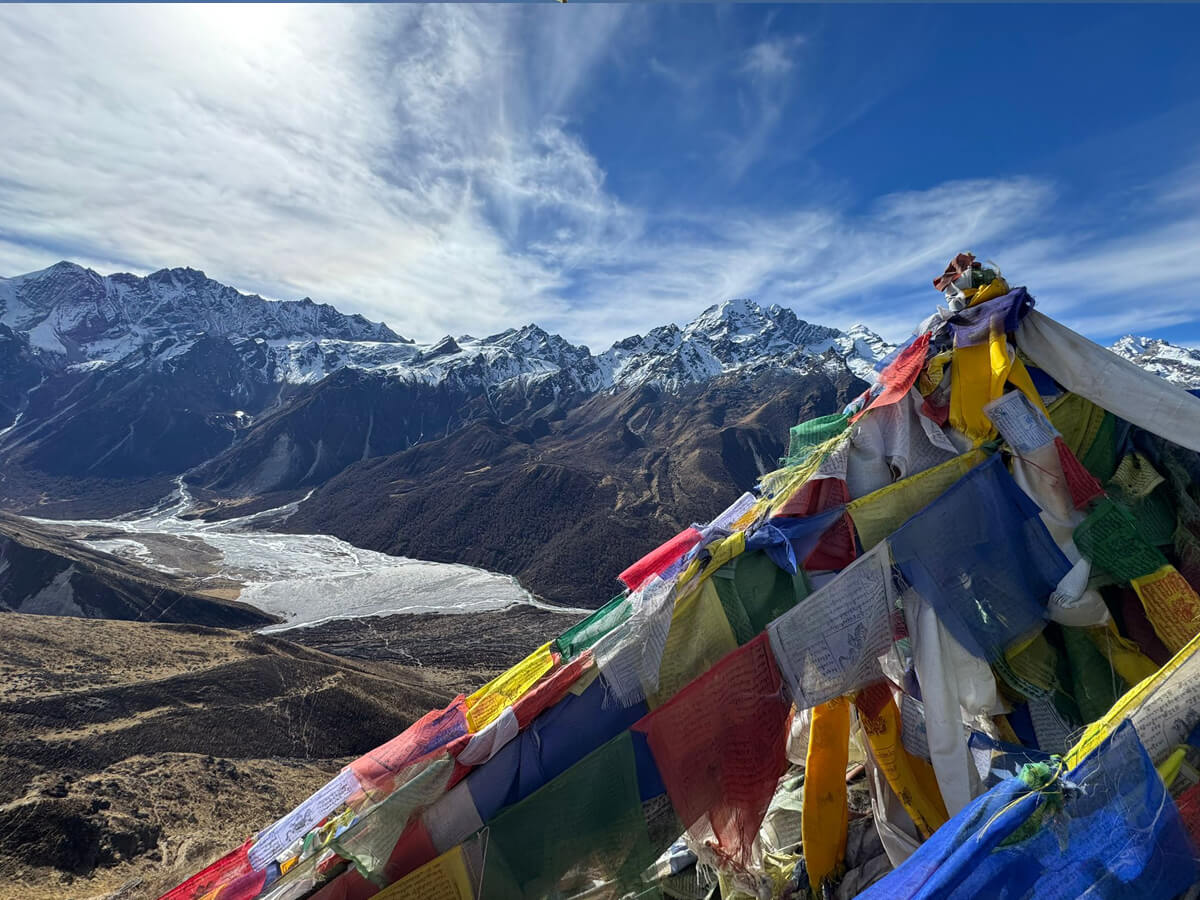
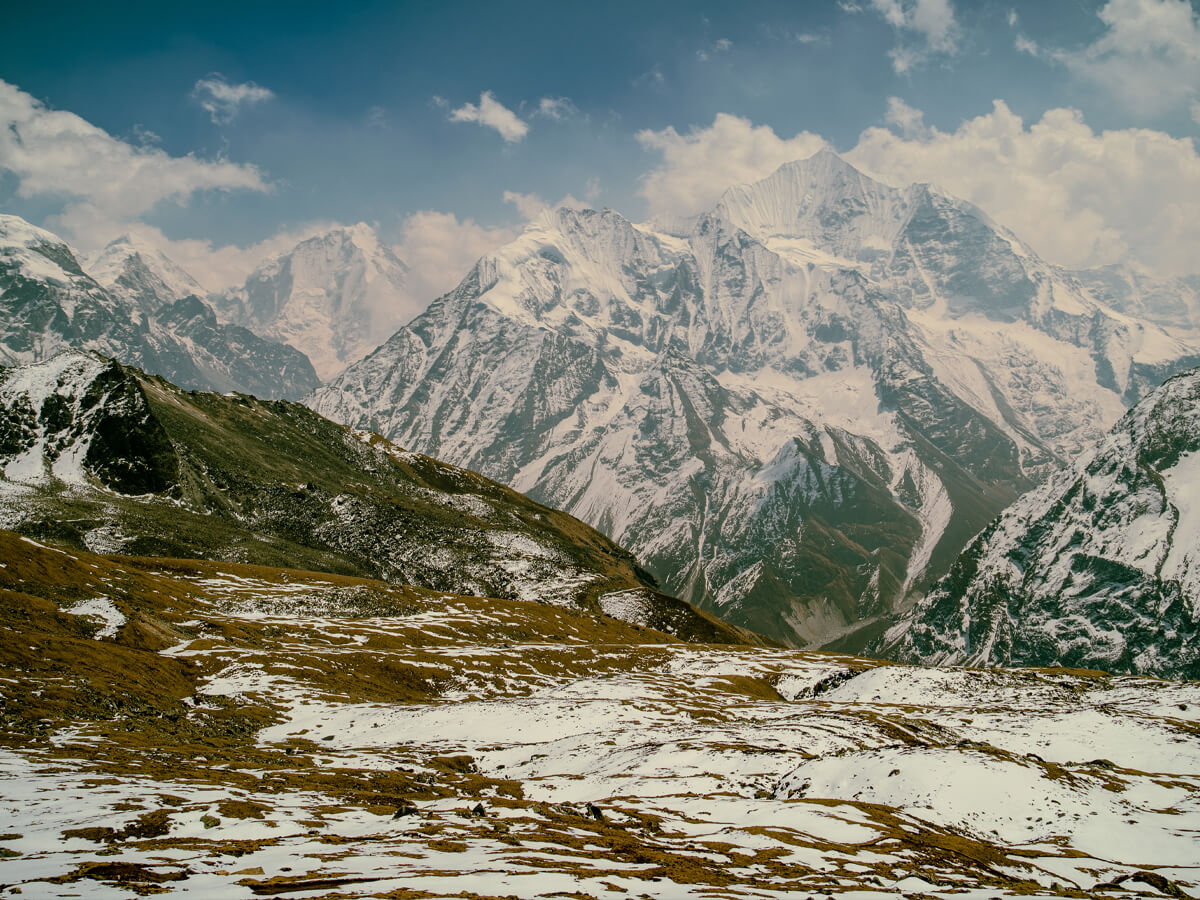
If you are looking for the stable weather and visibility of the mountains, then the best time would be spring (March, April, and May) or autumn (September, October, and November). Autumn is known for having more visibility compared to spring, but spring offers warmer temperatures throughout the trek. So, it really depends on your availability and preference at the end of the day.
While these months do give you the best picture-perfect view, they also come with their own crowd. So if you are a person who prefers a bit more of a solitary environment, then this might not be the right time for you.
For a Less Crowded Environment
We understand that not everyone wants to do the trek at a time where it seems like everyone on this planet is in the same location. Sometimes, you just want to be by yourself in nature among the mountains, so for that winter (December, January, and February) is actually the best time to do the Langtang Valley Trek.
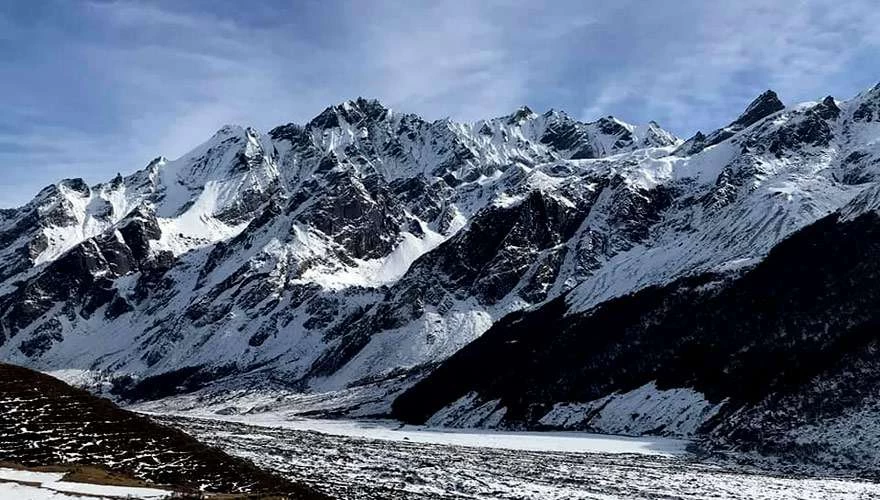
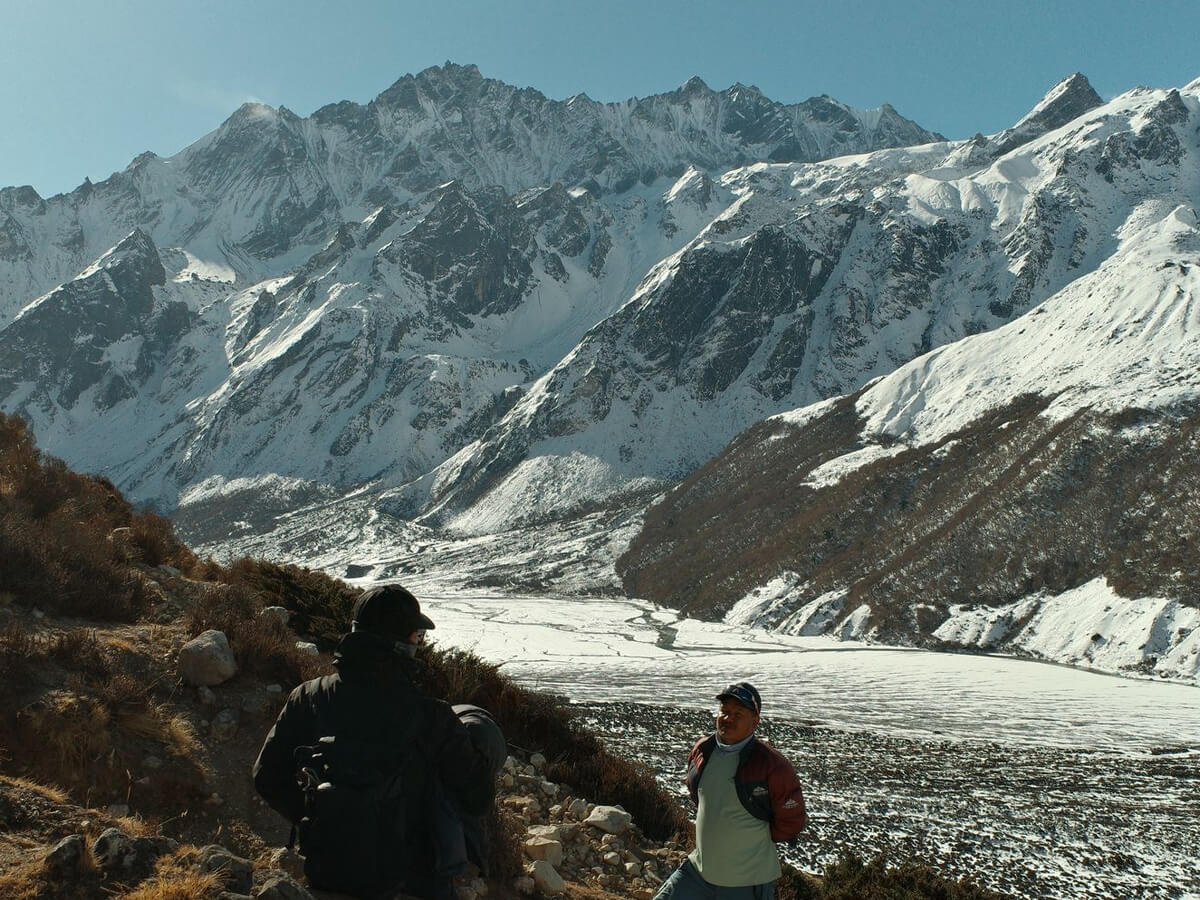
During the winter season, it definitely is colder compared to other seasons, but there are far fewer people. You can enjoy an experience where you will feel like you have the entire Langtang region to yourself. However, you definitely need to prepare for the negative degree temperatures and snowy trails.
The Langtang Valley Trek in December is one of the best times considering the off-season, with fewer people and sometimes you might even get to snag a discounted package. Additionally, December also offers some of the best visibility and clear weather.
Aside from winter, monsoon, or summer (June, July, and August), it is also good for less crowded trails, but it is not recommended as the Langtang region receives heavy rain and is prone to landslides. While monsoon treks are usually known for greenery, while trekking, Langtang isn’t exactly safe during this time, so it is better to choose other seasons or months.
For Festive Seasons and Culture
There are many festivals celebrated in Langtang as well as all over Nepal, which is one of the best times for those who are interested in witnessing the culture and traditions of the communities. One of the major festivals celebrated in the Langtang region is known as Gyalpo Lhosar. It is a festival primarily celebrated by Tibetan Buddhism communities (Tamang and Sherpa) in the Langtang Region. Lhosar marks the new year according to the Lunar calendar for Tibetan Buddhism, and it is one of the most important days for celebration. For this, february is the best time to visit.
But if you want to experience the trek but also the festivals of Kathmandu then September or October is the best month, as festivals like Indra Jatra, Dahsain and Tihar fall during these months. This is a great time to see the mountains and also the culture at the same time.
Is the Langtang Valley trek difficult?
Knowing the difficulty of the 8 days of the Langtang Valley Trek is important before doing the trek. It isn’t only the matter of reaching to the top of the highest peak on the trail but also reaching there safely and most of returning back safely. The difficulty of the Langtang Valley Trek is considered to be on the range of easy to medium difficulty.
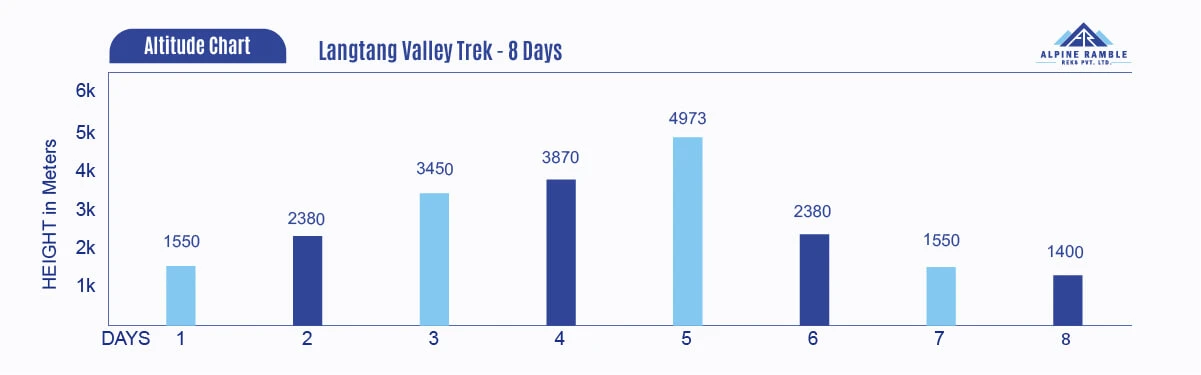
The real difficulty is presented when the steep trail adds the altitude. But even so, the Langtang Trek is known to have a gradual ascent, which already minimizes the chances of altitude sickness compared to treks like EBC and ABC. But this doesn’t mean it does not happen but can definitely be prevented.
Symptoms of Altitude Sickness
These signs of altitude sickness are the ones that appear within 24 hours after reaching a new higher altitude:
- Headache, which is the main symptom
- Nausea or loss of appetite
- Vomiting
- Dizziness or light-headedness
- Unusual tiredness or weakness
- Difficulty sleeping
- Shortness of breath during exertion
- Faster heart rate when resting
It is important not to ignore these symptoms and let your guide know about your condition as well. Making an informed decision in such a critical situation is what makes a difference between your overall safety and the increase in the severeness of the altitude sickness.
Our guides are trained in altitude monitoring and also carry first aid kits, which adds to your overall safety during the trek. The itinerary is also designed to make your body adjust to the altitude as you go. And here are a few ways you can reduce your chances of getting altitude sickness during the 8 days Langtang Valley Trek:
- Ascend gradually and follow the planned itinerary without skipping days
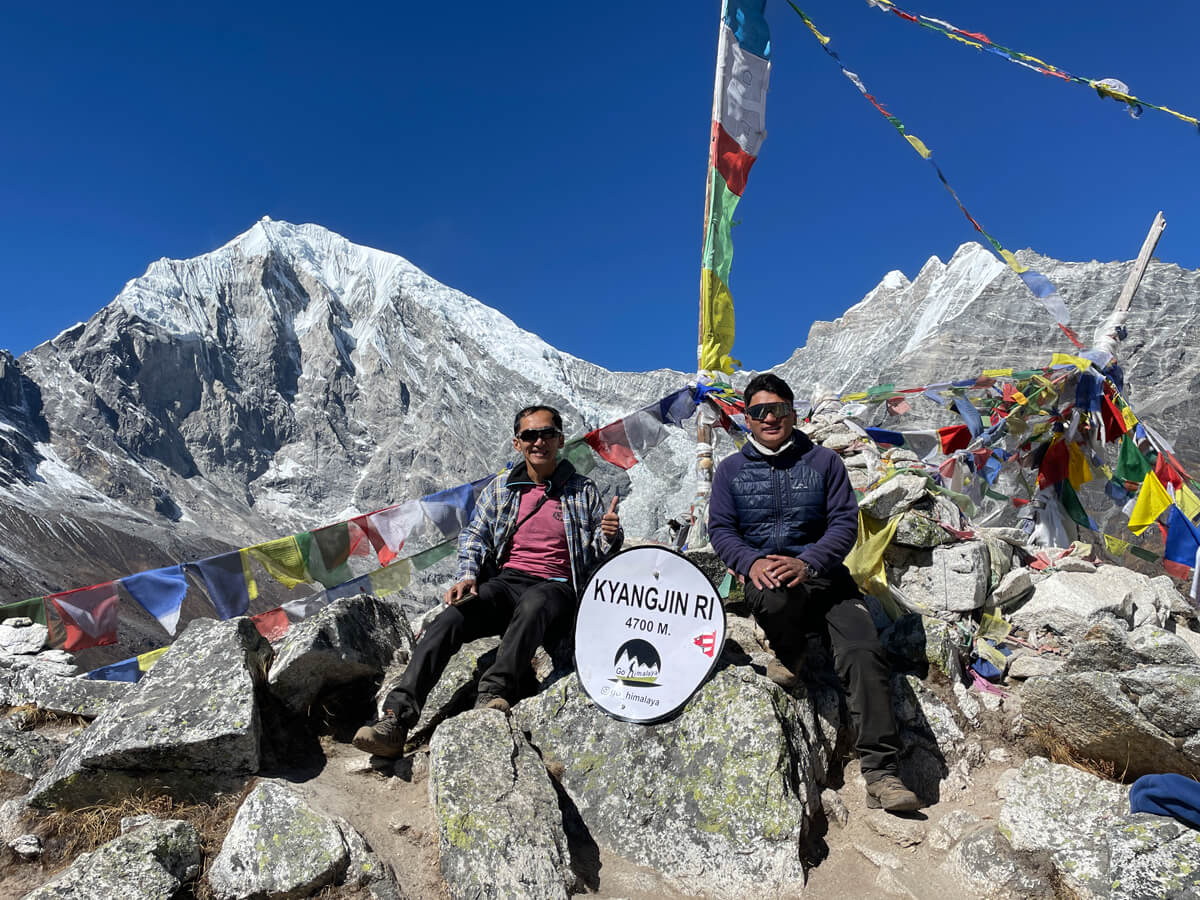
- Spend the acclimatization time at Kyanjin Gompa and use the principle "climb high, sleep low."
- Drink three to four liters of water daily
- Eat regular meals, rich in carbohydrates
- Avoid alcohol, smoking and unnecessary exertion at altitude
- Walk slowly and steadily, and rest when needed
- Consider preventive medication only after consulting your doctor before the trip
- Carry travel insurance that covers emergency evacuation up to 5,000m
Accommodation and Food on the Langtang Valley Trek 8 Days
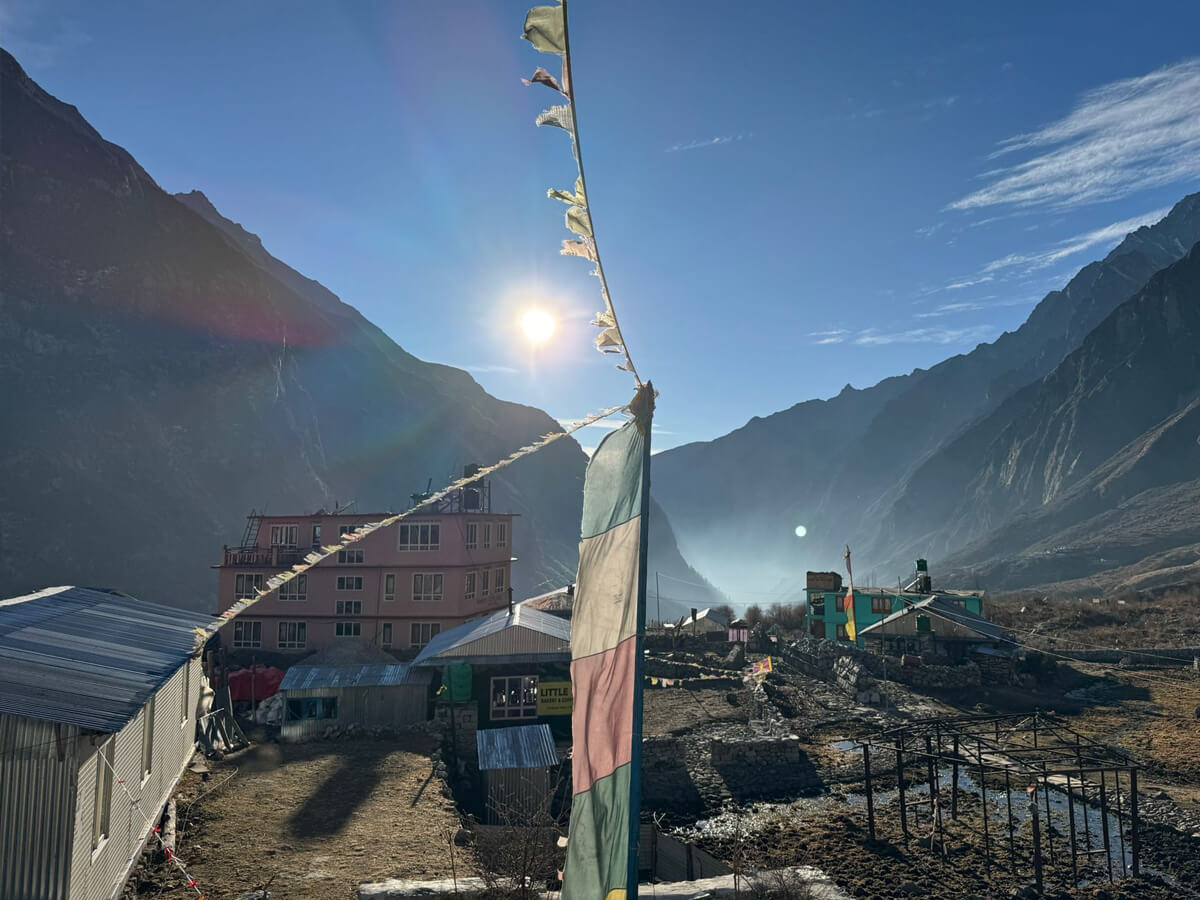
For accommodation, the Langtang Valley trail has small teahouses from place to place. The hotel stays are only when you’re in Kathmandu Valley. So you cannot expect the same accommodation services during the trek, but what they lack in facilities, they make up for with their warm hospitality.
The teahouses offer a room with shared twin beds, a common dining area, and common bathrooms. You can also get your own private room with an attached bathroom but only at an extra price, and the attached bathrooms are not always available.
For food, the standard meal for lunch and dinner is dal bhat, but the teahouses also offer western food such as pasta, pizza, and even pies in places like Langtang and Kyanjin.
Food and Accommodation Cost on the Langtang Valley Trek
The general food and accommodation cost during the Langtang Valley Trek usually ranges between $30 and $50. The room charge is pretty low compared to the food prices. Even so, the Langtang trek is much more affordable compared to the Annapurna and the Everest region. The higher you ascend, the more expensive the services and food tend to get.
Transportation for the Langtang Valley Trek
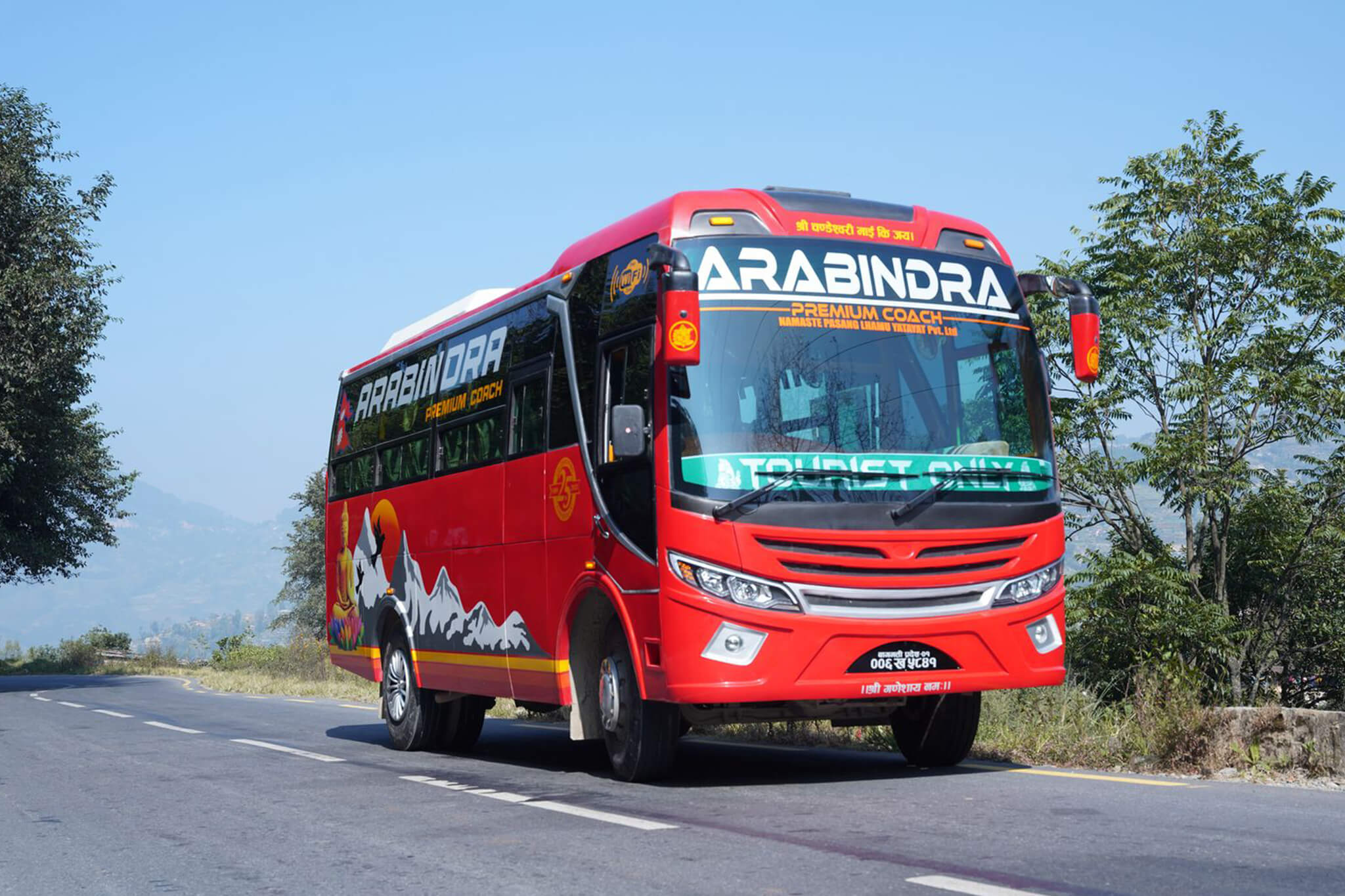
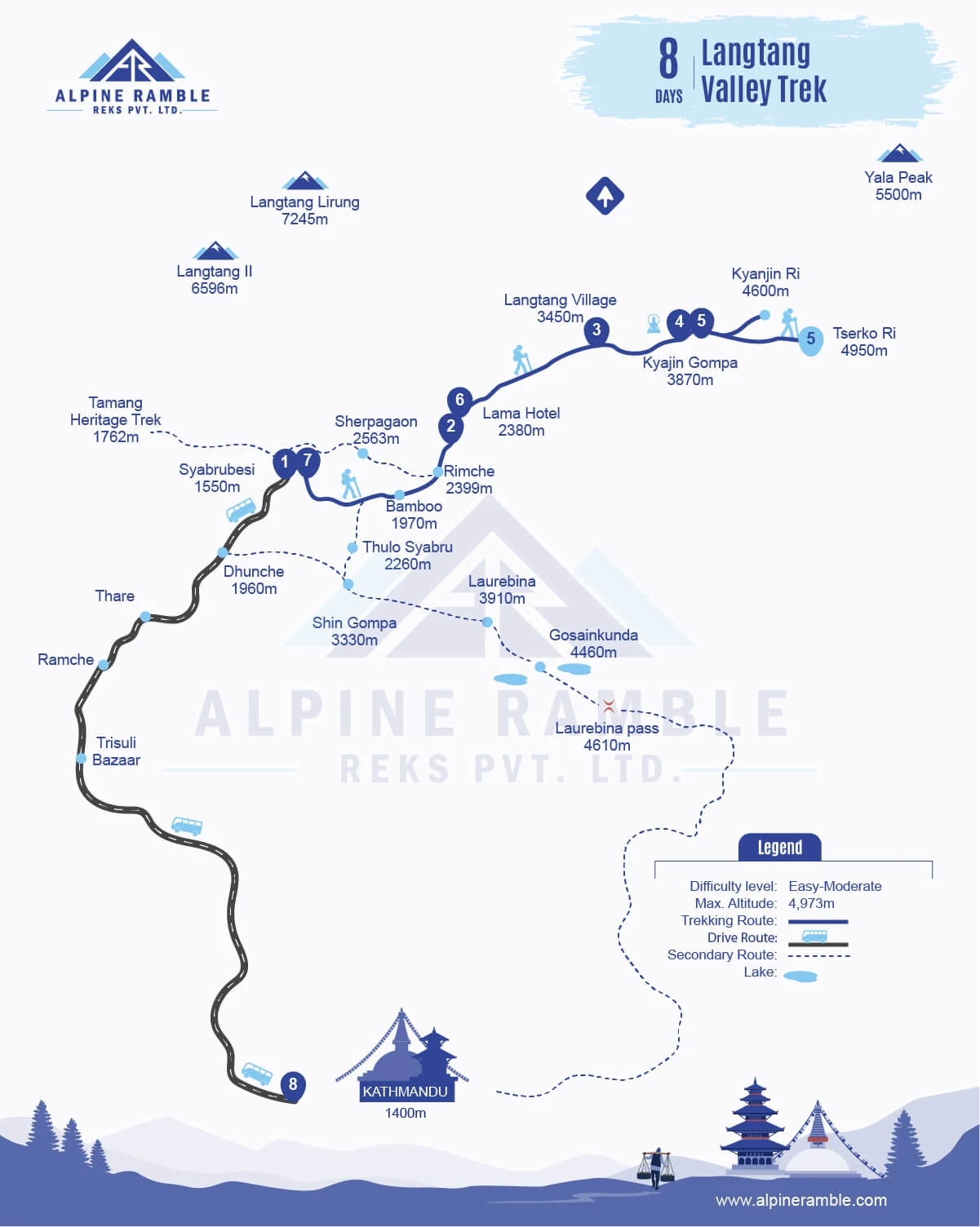
The Langtang Valley Trek is different from other trekking destinations and does not require any flight. You can either take a local bus or shared jeep or book a private jeep for this trek. The local bus is the cheapest, while the private jeep is the most expensive option.
Note: The bus option is the only option included in the package; if you wish to get a shared or private jeep, there will be an extra charge for the service.
| Option |
Cost (USD, approx.) |
Charged per |
Travel time |
Capacity |
Departure |
| Local bus |
$10 to $15 |
Person |
7 to 9 hours |
Full bus |
Early morning (about 6:00 to 8:00 am) |
| Private jeep |
$190 to $220 |
Vehicle |
5 to 7 hours |
6 to 7 |
Flexible |
Langtang Valley Trek Extensions to other Treks
The Langtang Valley Trek isn’t the only trek in the Langtang region. One of the popular extensions of this trek is the addition of the Gosaikunda Trek. In total of just 12 days you can also complete the Langtang Valley Gosaikunda Trek. Apart from that, you can also do the Tamang Heritage Trail and even Yala Peak if you want.
Travel Insurance for the Langtang Valley Trek
Travel insurance is strongly recommended for the Langtang Valley Trek, and Alpine Ramble Treks asks every trekker to hold a valid policy before departure. The trek reaches 3,870 m at Kyanjin Gompa and up to 4,984 m on the Tserko Ri side hike, in a remote area where medical facilities are limited and evacuation is only by helicopter during emergency rescues.
What your policies should cover:
Trekking at altitude: Cover for trekking up to at least 5,000 m. Many standard policies exclude or limit activities above 3,000 to 4,000 m, so read the altitude limit carefully.
Emergency helicopter evacuation: Rescue and evacuation from remote locations, including from altitude, and not just ambulance transport.
Medical expenses: Treatment and hospitalization in Nepal, including altitude sickness.
Packing List for Langtang Valley Trek
When it comes to making a packing list, it should be done based on the temperature range from the lower parts of the trail to the highest elevation you will reach. Layering is the key, rather than wearing a single heavy item. If your package includes a shared porter, plan for a combined load of roughly 20 to 25 kg for two trekkers, so aim for about 10 to 12 kg each.
Provided by Alpine Ramble Treks
The following items are supplied for the duration of the trek and must be returned at the end.
- Trekking poles
- Insulated down jacket
- Woolen cap
- Duffel bag for the porter
- Sleeping bag
What to Bring Yourself
Documents and Money
- Passport (valid for six months) and Nepal visa
- Passport photos and photocopies
- Travel insurance covering emergency helicopter evacuation up to 5,000 m
- Nepali rupees in small notes (the trail is largely cash-based)
Clothing
- 2 to 3 moisture-wicking t-shirts
- 1 thermal top and 1 thermal bottom
- Fleece jacket
- 2 pairs of quick-dry trekking trousers
- Waterproof jacket and over-trousers
- Underwear for the trekking days
Headwear and Handwear
- Sun hat
- Buff or neck gaiter
- Liner gloves and insulated outer gloves
- UV-protection sunglasses
Footwear
- Broken-in waterproof trekking boots
- Camp shoes or sandals
- 3 to 4 pairs of trekking socks and 1 warm pair for sleeping
Bags and Sleeping Gear
- Daypack (25 to 35 liters) with a rain cover
- Sleeping bag liner
Trekking Equipment
- Headlamp with spare batteries
- Two one-liter water bottles
- Water purification tablets or filter
- Power bank and universal adapter
Health and Hygiene
- Personal medicines and a basic first aid kit
- Blister plasters, pain relievers and rehydration salts
- Altitude sickness medication (only after consulting your doctor)
- SPF 50 sunscreen and SPF lip balm
- Biodegradable toiletries, hand sanitizer and wet wipes
- Quick-dry towel and toilet paper
Extras
- Energy bars, nuts and chocolate
- Ziplock bags and dry bags
- Earplugs and a book or e-reader
Why Book With Alpine Ramble Treks?
We are a locally owned trekking company in Nepal that has been in service for over a decade. Alpine Rambe Treks plans and runs journeys with licensed guides, careful acclimatization and transparent pricing. Our Langtang Valley Trek is designed for safety, comfort and responsible travel, so you can focus on the mountains.
Here’s why you should book with us:
Licensed and registered: We are a government-registered company and also a member of TAAN.
Experienced local guides: Our guides are experienced with the Langtang Region and trained in first aid and altitude sickness recognition.
Safety first: Our first and foremost priority will always be your safety, so your itinerary and the entire trek are designed with gradual ascent, daily oxygen saturation checks, and clear emergency and evacuation support.
Small and Larger Groups: We provide attention and a flexible pace for all group sizes.
Everything arranged: Permits, transport from Kathmandu, teahouse stays and meals
Transparent pricing: A clear list of inclusions and exclusions with no hidden costs
Responsible trekking: Fair wages and insured porters, plus support for local communities and teahouses
Trusted by trekkers: read our reviews on TripAdvisor.
Easy booking: Flexible terms and fast replies by email or WhatsApp
Benefits of Booking with Alpine Ramble Treks
Trained and licensed guides: Experienced local guides who know the trail, the culture and the conditions, and who are trained in first aid and altitude sickness recognition.
Flexible departure dates: You will be able to choose a date that suits your schedule instead of waiting for a fixed group departure.
Save on trekking equipment cost: Equipment such as trekking poles, a down jacket, a duffel bag and caps are provided for the trek as a courtesy of Alpine Ramble, so you pack lighter and save on rental fees (the equipment must be returned).
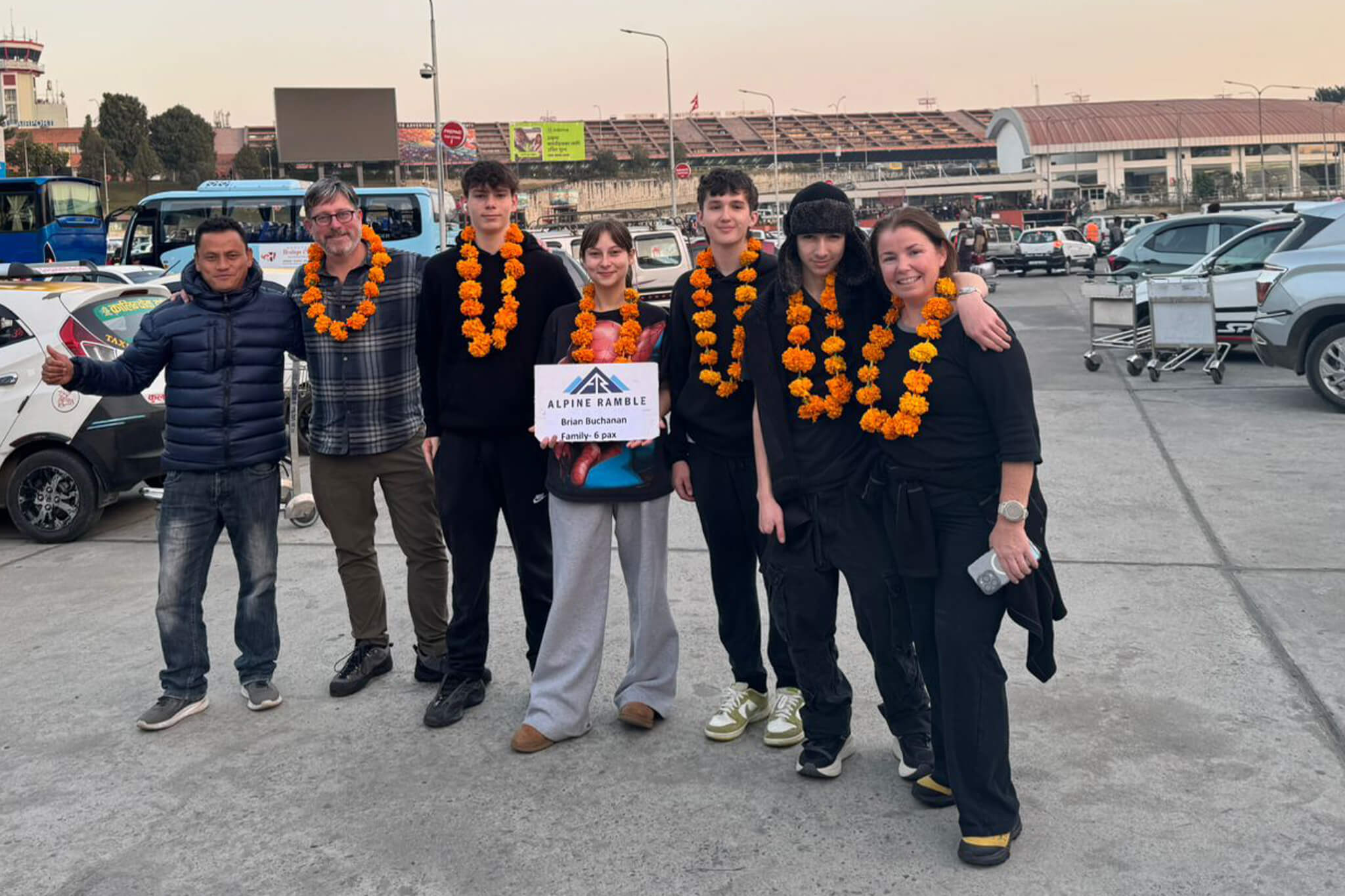
Private transport to and from the airport: You will be arranged a private pickup and drop-off to and from the Airport for your arrival and departure.
Gradual, safe itinerary: Our itinerary is designed with proper acclimatization at Kyanjin Gompa and daily health checks during the trek.
Clean and Comfortable Teahouses: We only stay at the finest and cleanest twin-share rooms and good meals along the route.
Small groups and personal attention: We set a pace that suits the group, with support when you need it.
Transparent pricing: Our prices are shown in a clear list of inclusions and exclusions with no hidden costs.
Responsible trekking: We provide fair wages and proper care for guides and porters and support for local communities along the trail.